
To Teachers
The blog is designed for grades 3-4 and up but would be appropriate for any students in the upper grades who are not familiar with the morpheme(s) being introduced. The main purpose of the blog is to develop students’ knowledge of bases (roots), prefixes, and suffixes so they can use these elements to derive the meanings of unfamiliar words and build their vocabularies. As part of presenting a new morpheme each week, words containing that morpheme are also introduced. Chances are some of those words will be unfamiliar, thus providing an opportunity for added vocabulary development. This week’s Morpheme Monday Lesson introduces the suffixes –er and -or and articles on strange jobs and dangerous jobs.
To Students
Suffixes -er and -or
The suffix –er is used to turn a verb into a noun. It means “one who does.” Teach + er = teacher, “one who teaches. “A farmer is one who farms. A runner runs. A walker walks. The suffix –er can also be used to tell where a person is from. A southerner is from the South. A New Yorker is from New York. The suffix –er can be used to mean “something that does.” An eraser erases. A heater heats. A camcorder is a camera that records. The suffix –or is similar in meaning to the sufffix -er. When added to a verb, the suffix –or forms a noun: act + or = “actor” and elevate + or = “elevator.” The suffix –or means a person (actor) or thing (elevator) that does something. Editors edit, inventors invent, carnivores eat meat.
Suffix Chart –er, –or
| Suffix | Meaning | Examples |
| -er | person or thing that does something | catcher, singer, seller, explorer, roofer
toaster, heater, cooler |
| where a person is from | westerner, New Yorker, southerner | |
| -or | person or thing that does something | sailor, actor, doctor, narrator
elevator, tractor |
Use the Suffix Chart to help you read the following two articles about jobs. Circle the answers to the questions that follow each article.
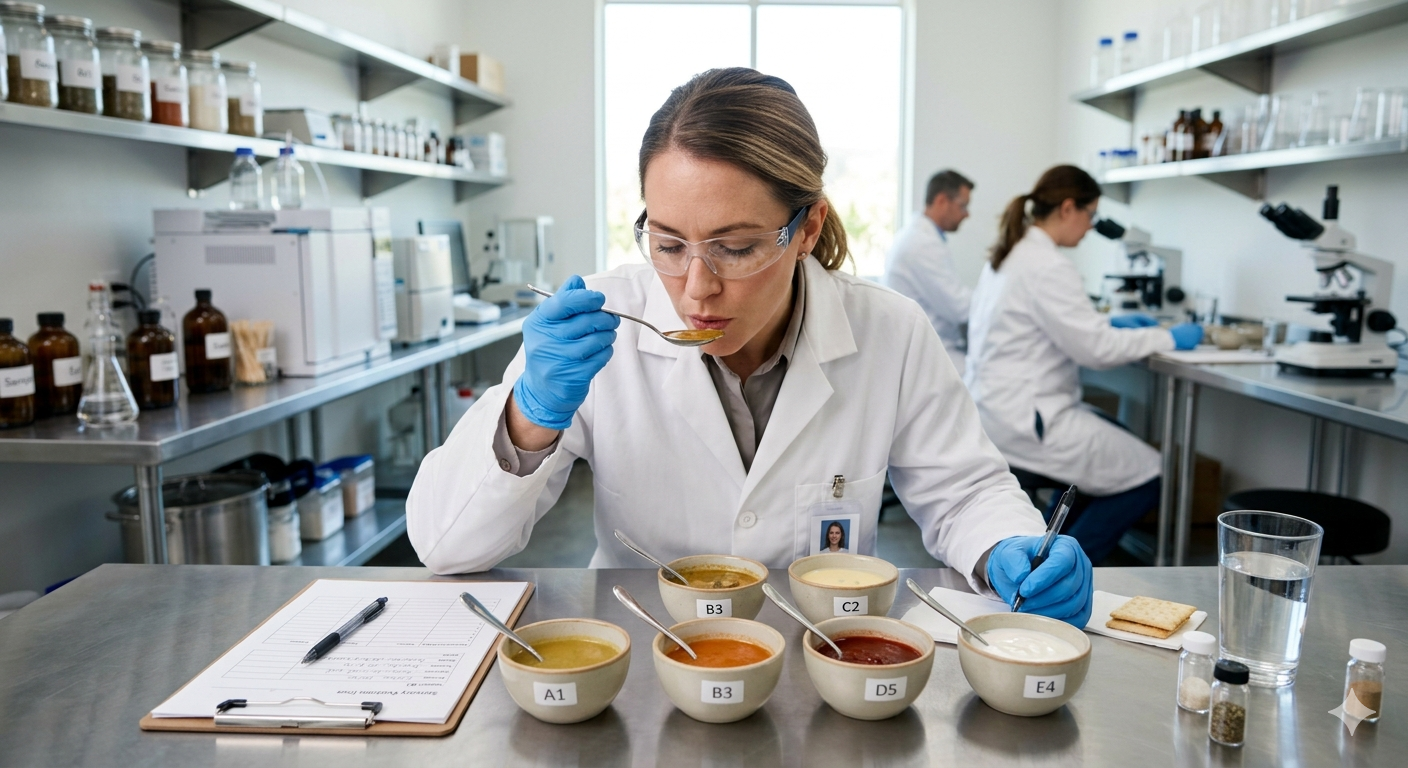
-Gemini generated photo
Tasting for a Living
The suffixes -er and -or are used to name a number of ordinary jobs, such as painter, photographer, plumber, preacher, railroader, reporter, roofer, doctor, editor, governor. But it also names some unusual jobs. One unusual job is that of a taster. Tasters get paid for tasting food. A manufacturer (man-yuh-FAK-cher-ir) that makes snack foods might hire taste testers to try out their new cookies or potato chips. Taste testers don’t actually eat the food. They keep a small bit in their mouth and think about its taste. Is it sweet? Is it salty? Does it have a strong flavor? Then they spit the food out. They wash their mouth out with water to get rid of the taste of the food, so they can be ready to taste the next bit of food.
Taste testers have to have good taste buds. Taste testers also have to have a good sense of smell. How a food smells and how it feels affects the way it tastes. A food that smells bad probably won’t taste good. Neither will a food that feels soggy like a wet potato chip. Food tasters must also be good with words. They must be good explainers. They can’t just say that a food taste good. They must be able to tell why it tastes good. It helps if they are good writers, so they can write their ideas down clearly.
1, Taste testers need good taste buds and a good sense of _____________.
a. smell b. touch c. hearing
2. Taste testers wash out their mouths with water to get rid of _____________.
a. bad tastes b. all tastes c. germs.
3. Taste tasters find out what kind of ___________ the food they are testing has.
a. favor b. favorite c. flavor
4. Taste testers are hired by food _____________.
a.managers b. manufacturers c. manners
5.Taste testers must be good _____________.
a. explainers b. makers c. listeners
Dangerous Jobs
Some jobs are downright dangerous. One of the most dangerous is that of the snake milker. Snake milkers milk the poison from venomous (VEN-uh-mus) snakes. The poison from snakes can be used to make an anti-venom. An anti-venom is a medicine used by doctors to stop the effects of a poison in a person who has been bitten by a poisonous snake. Venom collectors have to be careful that they aren’t bitten.
Also dangerous is the job of an alligator wrangler. In some parts of the country where alligators live in the wild, they make their way to places where people live. That’s when alligator wranglers are called. Using ropes and poles to catch the alligator, the wrangler will wire or tape its mouth shut. The wrangler then takes the alligator back to the wild. That’s good for walkers, farmers, soccer players, visitors, plant collectors, wildlife instructors, farm inspectors, and other people who might be outdoors. They feel safer. It’s also good for the alligators. They aren’t hurt by humans.
1. One of the most dangerous jobs is that of the _____________.
a. farm inspector b. snake milker c. plant collector
2. Anti in the word anti-venom probably means _____________.
a. before b. later c. against
3. Wranglers are people who ___________.
a. take care of cattle or other animals b. live in forests c. catch harmful insects
4. After they have captured an alligator, wranglers would most likely take it to a _____________.
a. circus b swamp c. market
Guessing the Meaning of Words
See if you can guess what the following people do. The people’s jobs are boldfaced.
1.The town hired gum busters to clean up the downtown sidewalks.
a. tell people not to throw gum onto sidewalks
b. clean chewing gum from sidewalks
c. clean gum from the shoes of people who have stepped on chewing gum
2. The company hired map trekkers to take photos of mountains.
a. take photos of places where cars and trucks can’t go
b. walk on narrow mountain paths
c. use maps to hike narrow mountain paths
3. Crop dusters must be careful as they are flying just 10 to 15 feet above the fields they are spraying for the farmers who hired them.
a. pilots who clean farm fields
b. pilots who spray farm fields to kill insects that eat crops
c. pilots who drop water on burning fields
4. A contest was held for anglers to see who could catch the biggest fish.
a. people who trick others
b. people who like contests
c. people who fish
Answers
Tasting for a Living
- a 2. b 3. c 4. b 5. a
Dangerous Jobs
- b 2. c 3.a 4. b
Guessing the Meaning of Words
- b 2. a 3. b 4. c
Note: All Morpheme Monday Lessons are posted at Buildingliteracy.org under The Building Literacy Blog.
©Thomas Gunning, Ed. D.
Monday Morpheme Lessons
Buldingliteracy.org
Contact email: Tom@buildingliteracy.org